


Thinking in terms of processes
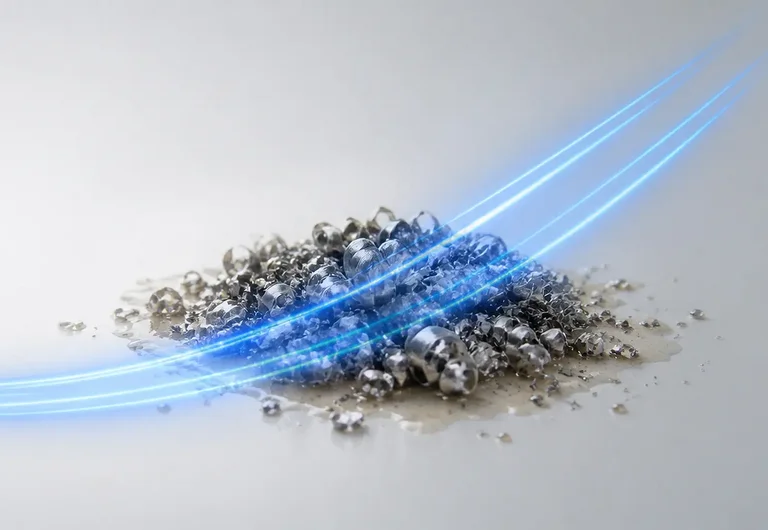
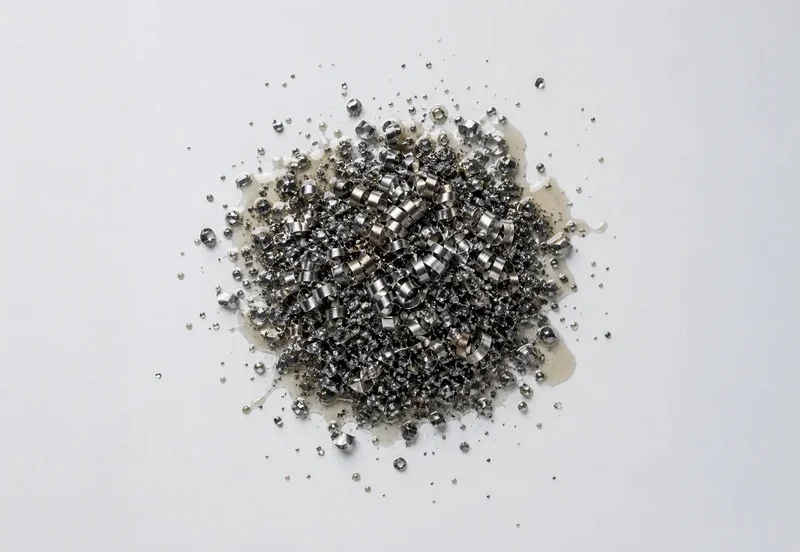
In everyday industrial operations, chips, coolants, emulsions, and residues rarely occur in isolation. In practice, these substances change state, mix together, and present challenges that go beyond simple categorization.
What are multi-fuel systems?
Multi-phase systems occur where solid and liquid substances are produced simultaneously or mix during the process.
Typical examples include:
What matters is not the individual medium, but its state within the process.
Why multi-fuel systems are problematic
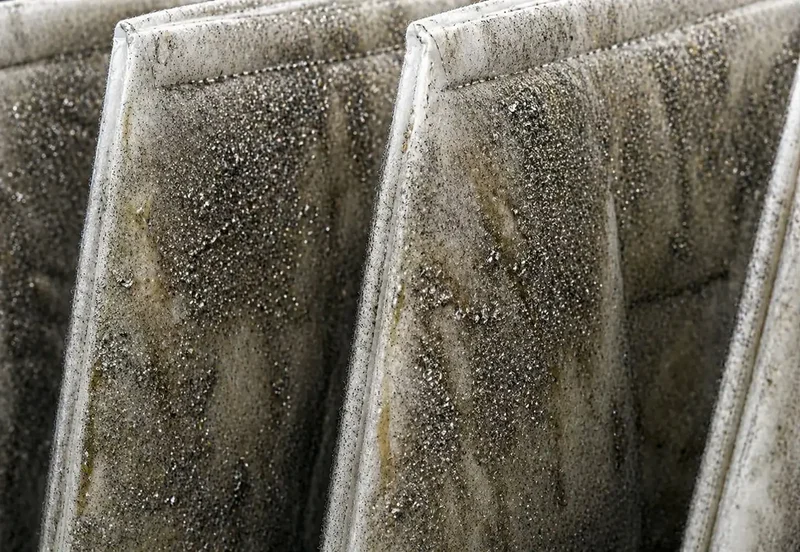
Problems rarely arise suddenly. They develop gradually.
What initially appears to be “messy” quickly turns into:
What Matters Technically
Multi-component systems can be managed—if you approach them from a process-oriented perspective.
The key factors are:
Not every solution has to be complex. But every solution must be state-aware.
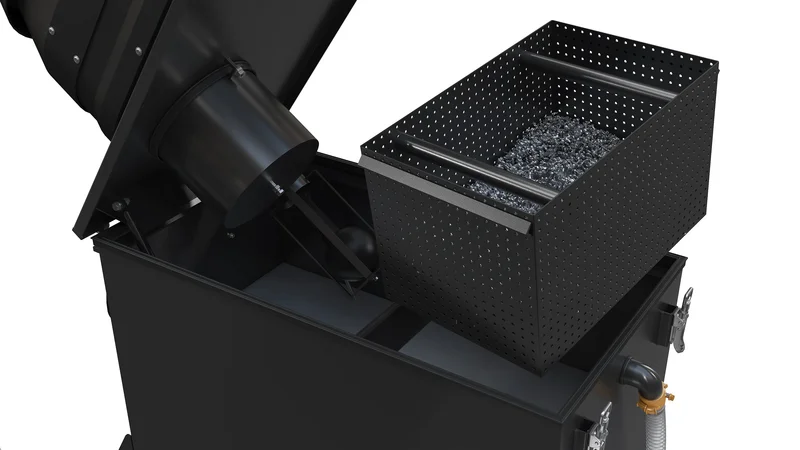
Distinction from other risk areas
Multi-component systems affect process stability and cost-effectiveness.
Safety is a consequence, not a starting point.
Multi-component systems don’t spiral out of control. They gradually slip beyond our grasp. What works today becomes inefficient tomorrow—and prone to failure the day after. That is precisely why they are among the issues that are easily overlooked in everyday life.